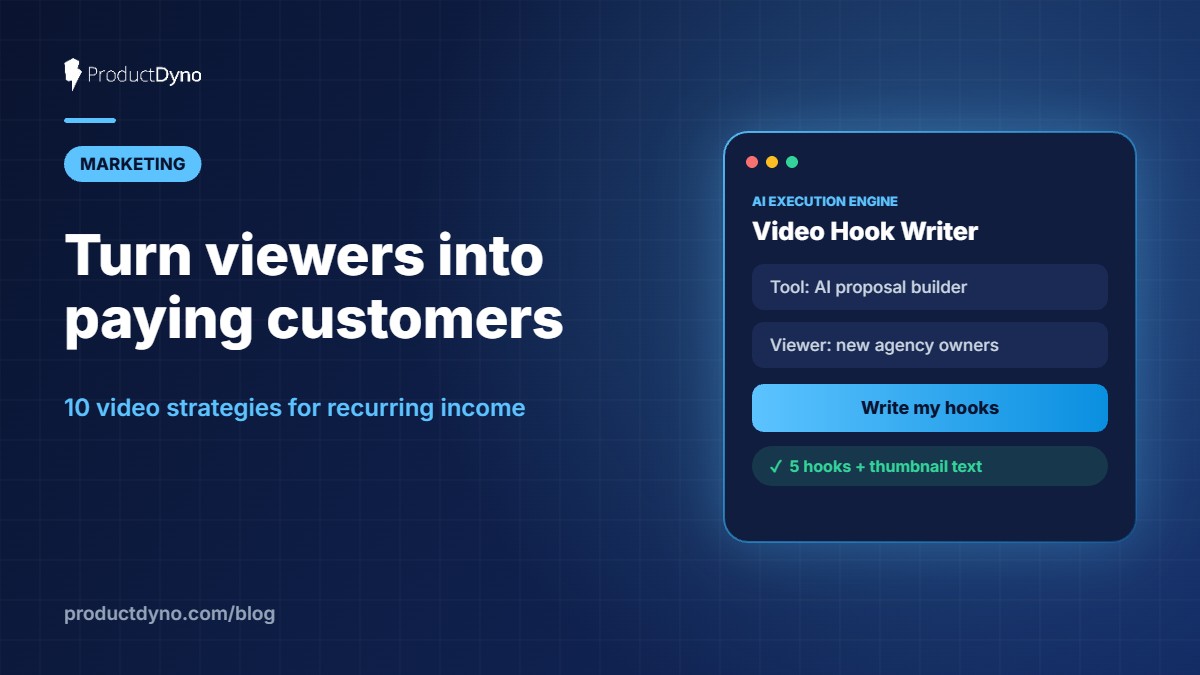
Turn Viewers Into Paying Customers: 10 Video Strategies for Recurring Income
Video is the fastest way for a stranger to trust you enough to pay you every month. Open with a story, show your AI tool doing real work, give one call to action to a free tool, collaborate through interview swaps, and describe videos so AI assistants can recommend them.
Video is the fastest way for a stranger to trust you enough to pay you, and keep paying. It shows your face, your voice and your expertise in action, and if you sell an AI tool or an AI-powered service, viewers can watch it do the work. Yet most videos get a few dozen views and no sign-ups, because they’re lectures with no story, no hook and no clear next step. Here’s the 10-part system we teach, updated for 2027.
1. Make each video for one specific viewer
Before you script anything, picture the exact person you want to reach: their situation, what they want and what they’re stuck on. A video that solves one person’s specific problem gets watched to the end, shared and acted on. A video for “everyone” gets skipped.
2. Lead with a story
This is the most important part. The best speakers on stage and online almost always open with a story. Think back to any talk or sermon you sat through as a kid: the stories are the part you remember. People are wired for stories.
- A customer’s before-and-after, in their words.
- A mistake you made and what it cost you.
- The moment something finally clicked for you or a client.
Telling them takes a bit of courage, but emotion is what makes people keep watching and share.
3. Show the tool doing real work
Don’t describe your AI tool. Run it on camera with a real example: a messy brief goes in, a finished plan, listing or proposal comes out. Then show what the customer does with it. “Before” and “after” in under a minute is the most convincing demo there is, and it’s the kind of clip people share.
4. Tell viewers exactly what to do next
Every video needs one clear call to action, such as “Try the free tool” or “Get your score in two minutes.” Put it briefly near the start so early leavers see it, at the end, and in the description and pinned comment. A free tool converts far better than a sales page.
5. Be human: humour and relatable moments
A light joke about a struggle everyone in your niche shares breaks the ice. Real-life moments work too: the dog that chewed your shoes, the client call that went sideways. When viewers think “that happened to me too,” you’ve built a bond.
6. Build in shareability: titles, thumbnails and lists
- List formats work. “Top 5,” “7 mistakes,” “10 reasons.”
- Thumbnails decide clicks. A clear face with a genuine expression plus a few big words beats a busy design.
- Put the hook in the title. Promise something specific.
- Give a reason to share, such as a free tool for the viewer’s friends or a referral reward.
7. Collaborate: the easiest version is an interview swap
Find a creator or agency whose audience overlaps with yours and offer to interview each other. You each get introduced to a new audience by someone they trust. Our first 100 users playbook covers how to approach partners.
8. Let the data edit your videos
- If 95% of people leave a 30-minute video after 5 minutes, your next video should be 5 minutes, or the first 5 minutes need fixing.
- If most viewers make it to the end of an hour-long video, make more like it.
- If people leave before your call to action, move it earlier.
9. Get the audio right first
Viewers forgive average video but not bad sound. A decent microphone is the best money you’ll spend. Today’s phone cameras are far better than professional cameras were 20 years ago. Add clean lighting and you’re ahead of most of your niche.
10. Make videos AI search can find
Many people now ask ChatGPT, Claude or Gemini for recommendations, and those assistants read video titles, descriptions, chapters and transcripts. Use clear titles, add chapters, upload accurate captions, and write a description that answers the question the video covers.
A simple weekly video routine
- Record one 8–15 minute video that opens with a story and solves one specific problem, with a live demo of your tool.
- Publish it on YouTube with chapters, captions and one clear call to action to your free tool.
- Cut 3–5 short demo clips for Shorts, TikTok and Reels.
- Turn the transcript into an email and a few text posts.
- Add it to your customer area as a “how to get the best results” lesson.
Need the free tool to send viewers to? That’s what an AI Execution Engine is, and it turns viewers into subscribers far better than “download my PDF.” See also how to turn your know-how into a paid AI tool.
Frequently asked questions
How long should my videos be?
As long as viewers keep watching. Check your retention data. Many creators find 8–15 minutes works on YouTube, with short demo clips elsewhere.
How do I demo an AI tool on video?
Use a real, relatable example, show the input and the finished result side by side, and keep the demo under a minute. Then show what the customer does with the result.
Do I need expensive equipment?
No. A good microphone matters most; a modern phone camera, screen recording and decent lighting are enough.
How do videos help with AI search?
AI assistants read titles, descriptions, chapters and transcripts. Specific titles, accurate captions and descriptions that answer a real question make it more likely an assistant recommends you.
Put this into practice with a free AI engine
See your know-how turned into an AI tool your customers can use. Two engines, free, in five minutes.
Keep reading
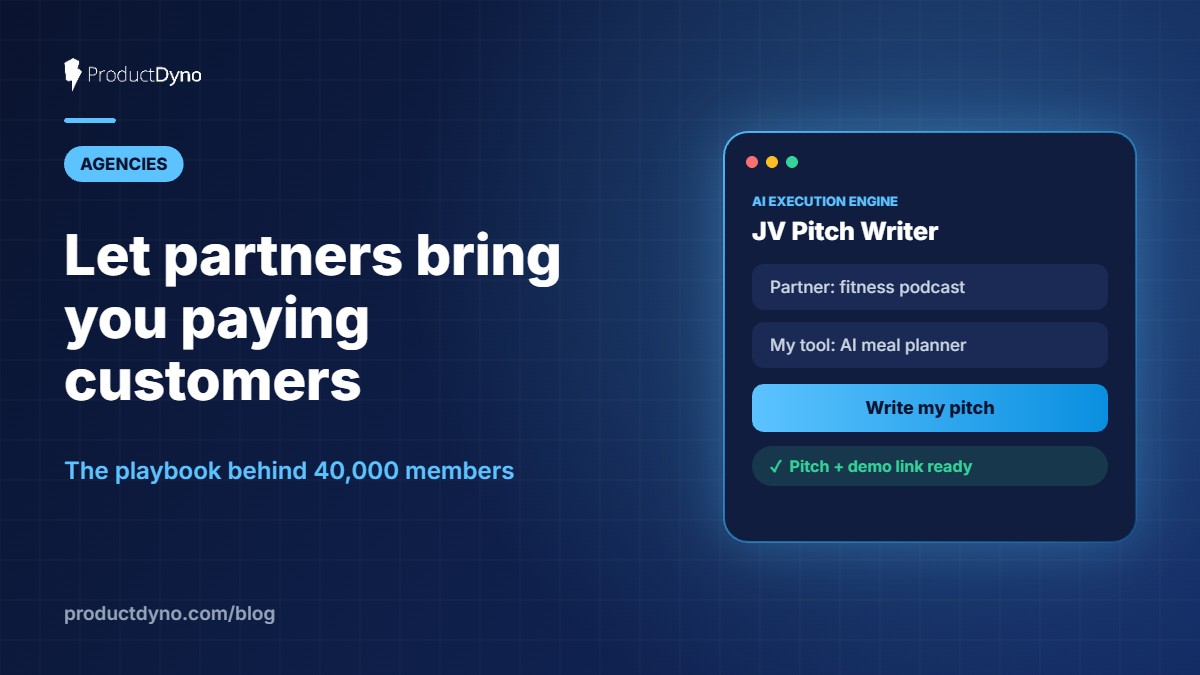 Agencies Let Partners Fill Your Business With Paying Customers (The Playbook Behind 40,000 Members)
Partnerships are still the fastest, cheapest way to get customers paying you every month. Help first, choose partners with the same audience and a different offer,…
Nov 19, 2026 · 4 min read
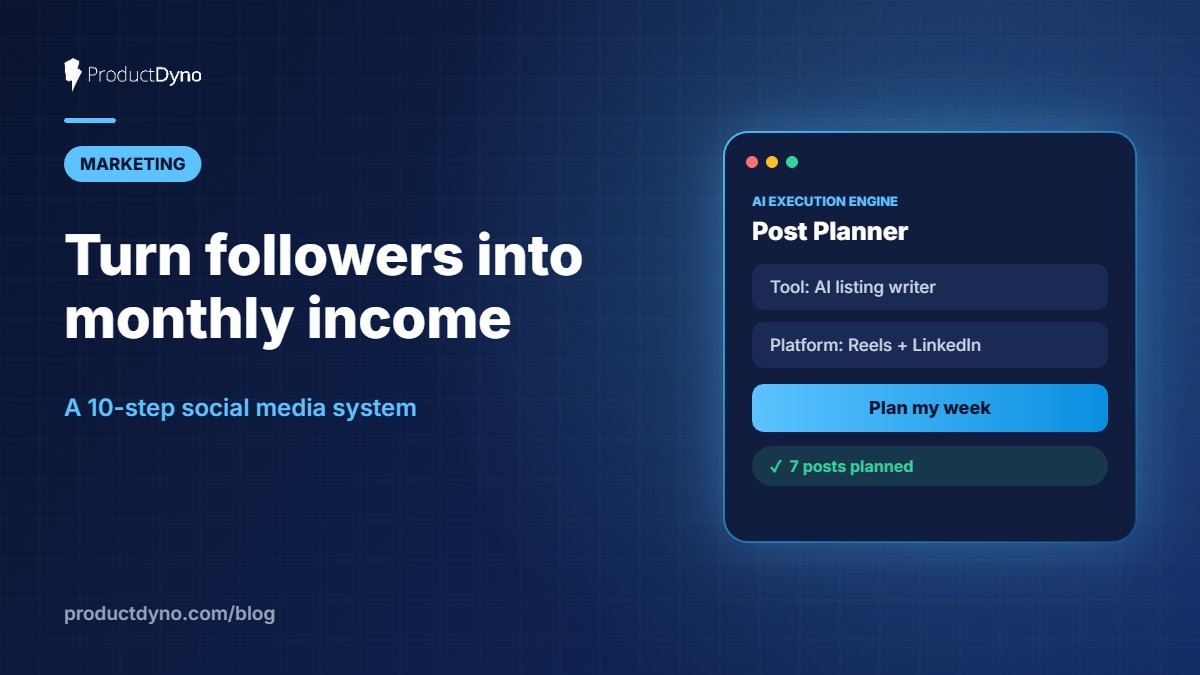 Marketing & Growth Turn Followers Into Monthly Income: A 10-Step Social Media System for 2027
Followers do not pay the bills; customers paying you every month do. Give every post a job, work backwards from a sign-up goal, film your AI…
Nov 19, 2026 · 4 min read
 Marketing & Growth Email That Pays Every Month: 10 Strategies for Recurring Income in 2027
Your email list is the channel you own, and it is where recurring income is won and kept. Segment by plan and behaviour, personalise with what…
Nov 19, 2026 · 5 min read